To: Federal Aviation Administration (FAA) The U.S. Department of Transportation (DOT) From: [Your Name]
We, the undersigned, call on the Federal Aviation Administration (FAA) and U.S. Department of Transportation (DOT) to reform outdated certification policies that block military-trained aviation mechanics and veterans from entering the civilian workforce during veteran transition.
Veterans with proven hands-on experience are being forced to repeat training, pay unnecessary fees, and take redundant tests — despite having already done the work under the most demanding conditions. Meanwhile, the civilian aviation industry is facing a critical aircraft mechanic shortage.
We support the removal of unnecessary testing, faster FAA Airframe & Powerplant (A&P) certification pathways, and formal recognition of military training, experience and records.
These reforms are common sense. They support veterans, strengthen our aviation workforce, improve veteran transition, and make smarter use of public resources.
Let Vets Work: From the Front Line to the Flight-Line
Federal Aviation Administration (FAA) The U.S. Department of Transportation (DOT)
Your submission could not be saved. Please try again.
Thank you for signing the petition!
The Problem:
Thousands of military-trained aviation mechanics and veterans are ready to serve again — but outdated FAA rules are holding them back during veteran transition. Sign the petition today.
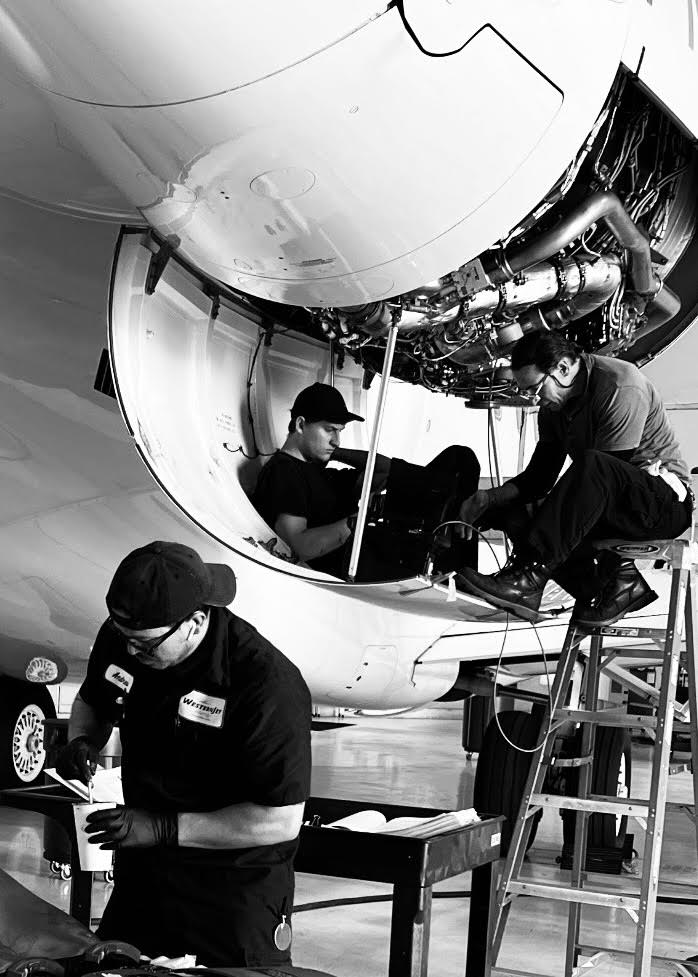
Every year, thousands of military-trained aviation mechanics complete their service — highly skilled, mission-tested, and ready to bring their talents to the civilian Aviation Industry.
But despite years of hands-on experience maintaining some of the world’s most advanced aircraft, veterans are forced to repeat training, pay thousands in unnecessary fees, and take redundant oral and practical exams — all to prove they are already capable aircraft mechanics, FAA A&P certification-ready.
Why This is a Problem:
Aviation Industry shortage: While qualified military aircraft mechanics are turned away, America is facing a critical shortage which continue to grow.
Safety at risk: Safety and reliability are at risk due to the qualified manpower shortages.
Unnecessary costs: Our veterans — trained at taxpayer expense — are forced to start over instead of advancing through the transition into aviation careers.
What We’re Calling For:
We need the FAA, the Department of Transportation (DOT), and Congress to make common-sense reforms that will:
Establish a dedicated equivalency pathway for military aviation mechanics that recognizes verified experience and replaces redundant oral and practical testing with a streamlined, competency-based exam—enabling fast-tracked certification.
Recognize military training and records as valid qualifications — just like we do for military pilots.
Partner with veteran-led organizations like Warriors In Need (WIN), who better understand and support veterans and create a smoother veteran transition into civilian careers in the aviation industry.
These are not new skills that need to be learned. These are veterans who have already done the job — and done it well — under the most demanding conditions. Let them work. Sign this petition, Support Veterans, and Demand Action Now.
200,000+
Veterans transition from service each year
17,000+
Aircraft mechanic shortage annually
10%
Less than 10% of military-trained aviation mechanics transition into civilian aviation roles
Key Requests:
Amend 14 CFR § 65.79
Waive redundant oral and practical exam requirements for military-trained aviation personnel, and create a competency-based equivalency pathway for mechanics and veterans to enter the civilian aviation industry.
Revise FAA Order 8900.1
Update procedures to properly credit military experience (30+ months) based on Military Occupational Specialty (MOS) codes, while expanding evaluation criteria to recognize related and transferable skill sets (including specialties such as avionics), and create more effective pathways to FAA Airframe & Powerplant (A&P) certification.
Recognize All Qualifying Aviation MOS Codes
Expand recognized military positions to include all aviation maintenance specialties across branches enabling more veterans with relevant aircraft mechanic training and experience to qualify for civilian aviation careers.
Reduce Administrative Delays
Streamline the application process to eliminate months-long processing times that delay veteran employment, veteran transition, aviation certification, and access to aircraft mechanic opportunities.
This Is The Moment To Act
The Aviation Industry is facing unprecedented workforce challenges while thousands of qualified veterans and military-trained aviation mechanics are blocked from transitioning into aircraft maintenance careers they are already trained to perform.
Our Solution
Formal FAA Petition for Rulemaking
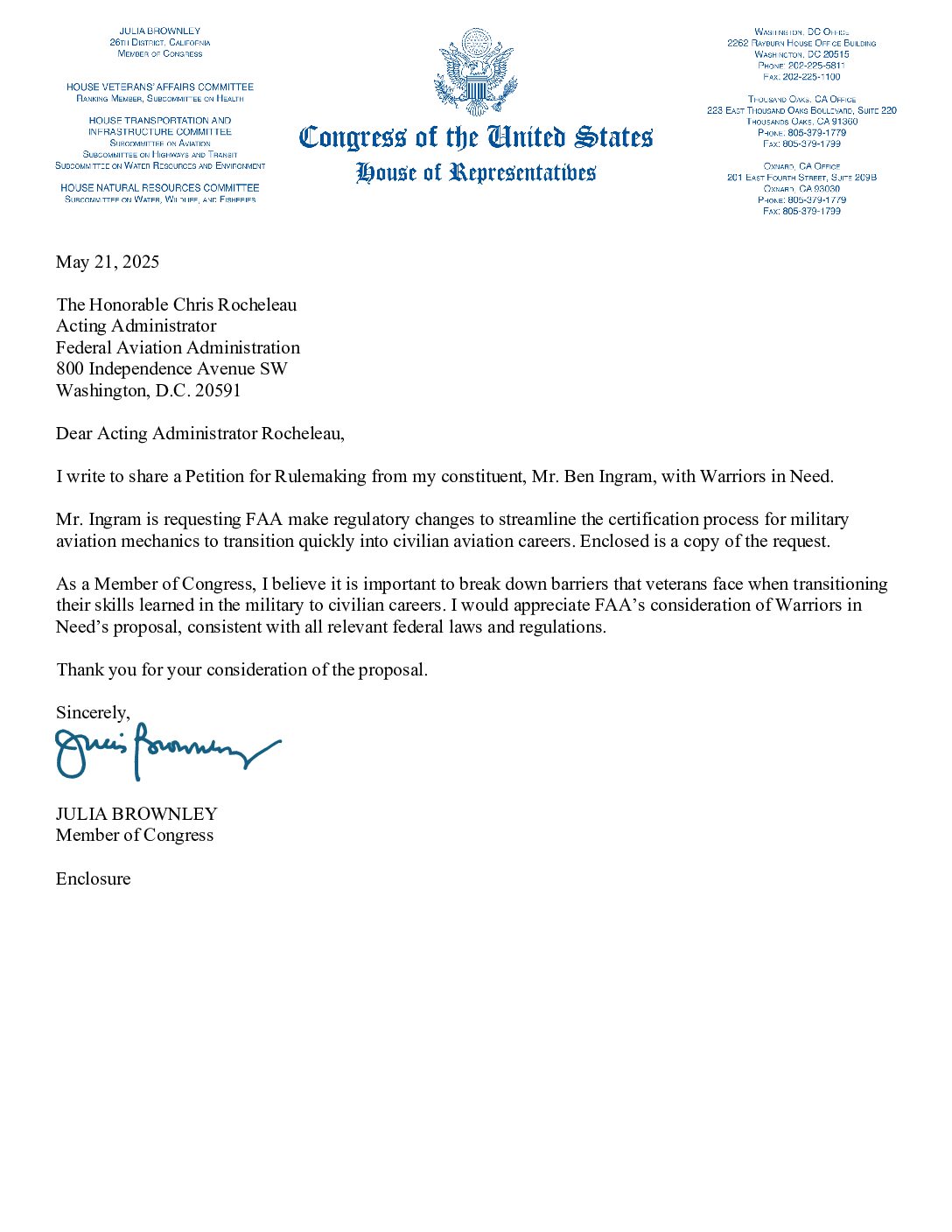
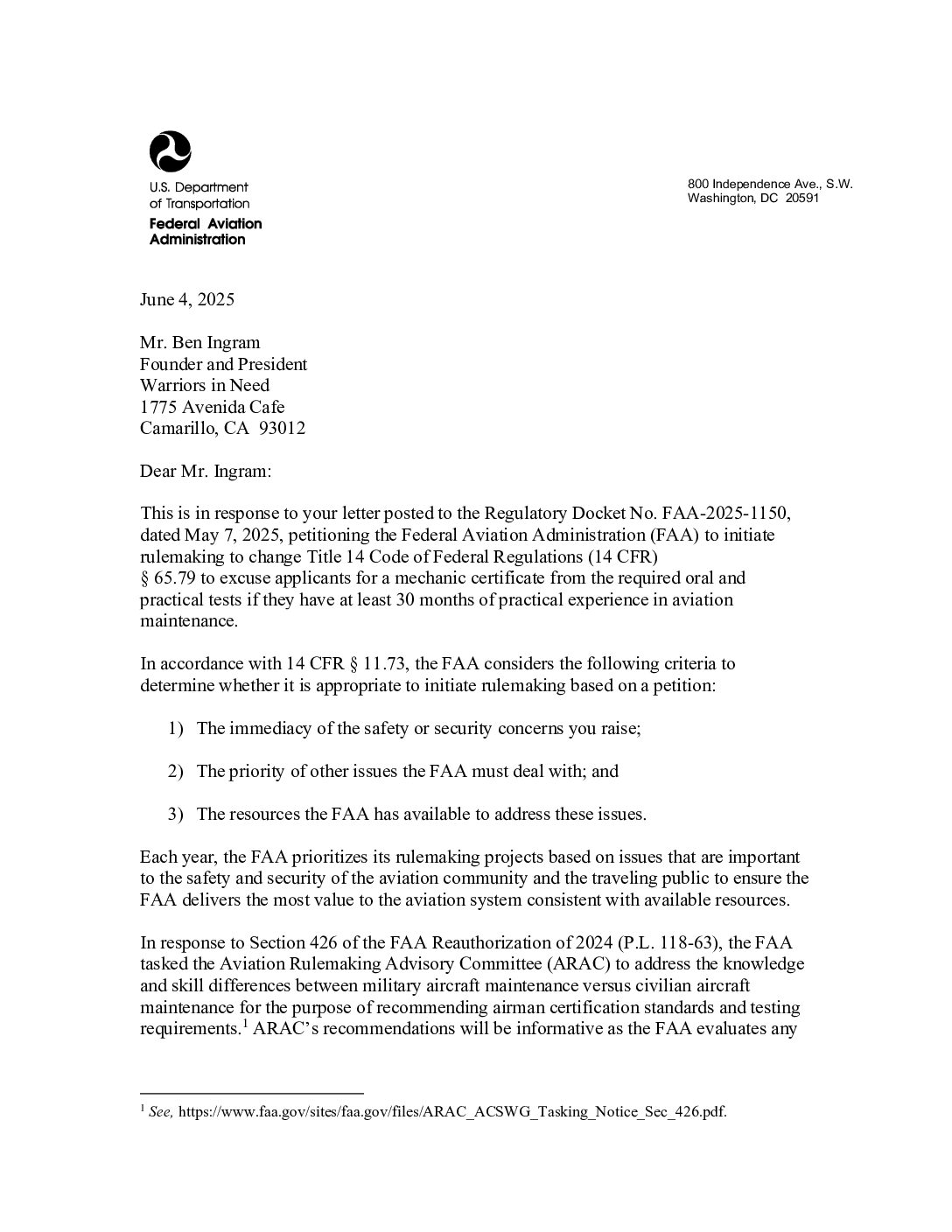
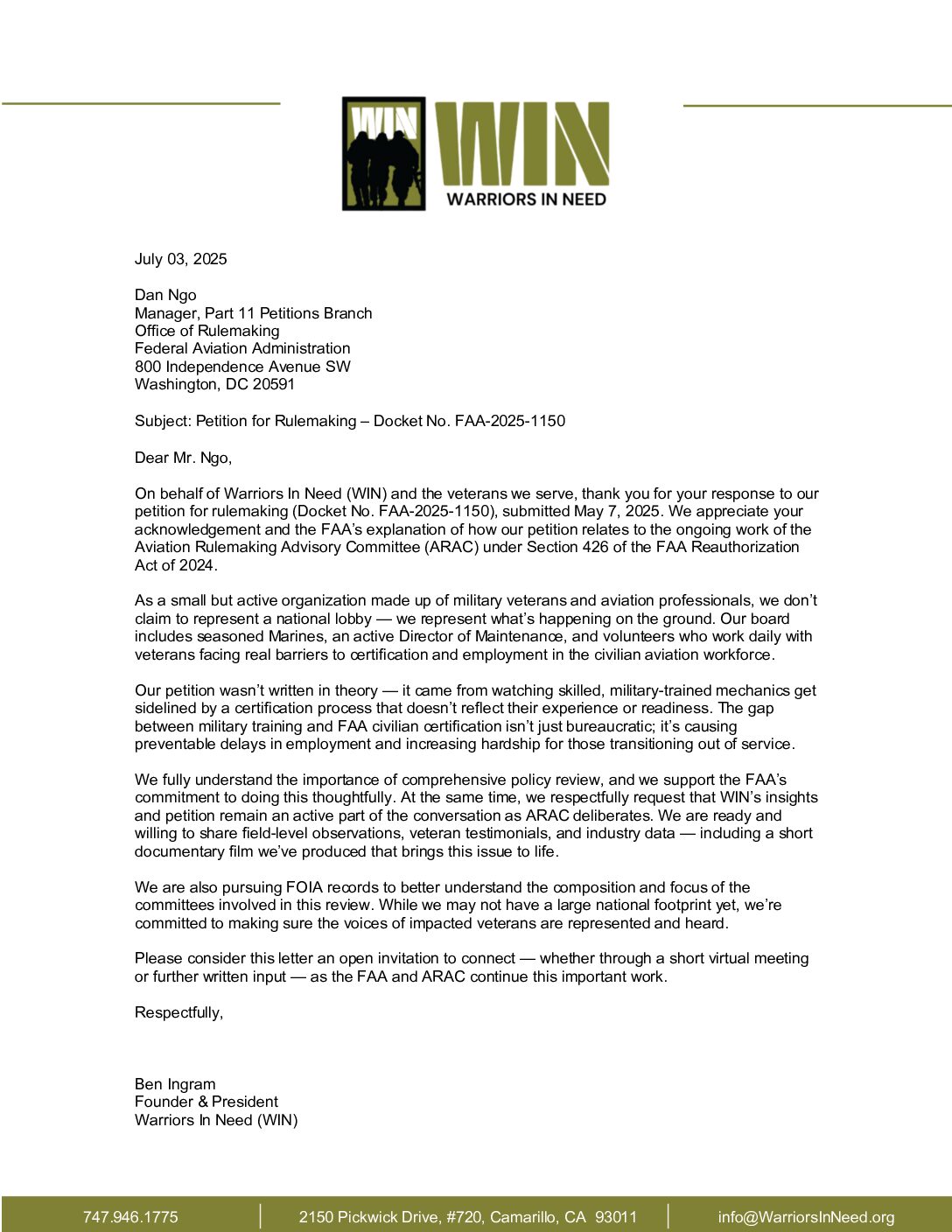
We have submitted a comprehensive petition to the Federal Aviation Administration (FAA) requesting changes to regulations that create unnecessary barriers for veterans and military-trained aviation mechanics during veteran transition.
Recognition of Military Experience
Requesting the FAA to fully acknowledge and credit the extensive training, military records, andhands-on experience military aviation mechanics receive during service to support veteran transition into the civilian aviation industry.
Eliminate Redundant Testing
Proposing the removal of unnecessary oral and practical exams for veterans and military-trained aviation mechanics who have already demonstrated proficiency through years of military service.
Direct A&P Testing Eligibility
Creating a streamlined pathway for qualified veterans to pursue FAA,Airframe & Powerplant (A&P) Certification, and testingwithout redundant requirements or delays.
Update FAA Order 8900.1
Modernizing regulations to reflect current military training standards and recognize all qualifying aviation MOS codes across service branches for faster aviation certification and civilian Aircraft Mechanic career access.